
This guide explains how HR software for retail helps businesses manage distributed, shift based, and high volume workforces across stores, warehouses, and multiple locations. It covers key capabilities such as onboarding, attendance, shift management, payroll, overtime, compliance, workforce data, and external workforce management. The blog also explains how retail workforce management software differs from conventional HR systems, what features retailers should evaluate, emerging trends in Indian retail HR software, and how BeeForce by BlueTree supports connected workforce management across employees, vendors, and locations.
What is HR Software for Retail?
HR software for retail is designed to help businesses manage the workforce processes involved in running stores, warehouses, and other retail operations. Unlike conventional HR systems built primarily for office-based employees, retail HR software needs to support shift-based, distributed, and often high-volume workforces.
It brings processes such as employee onboarding, attendance, shift management, leave, payroll inputs, compliance, and workforce records into a more structured system. For retailers operating across multiple locations, this provides HR and operations teams with better visibility into their workforce while reducing dependence on fragmented manual processes.
Solutions such as BlueTree extend this approach to contract and external workers, helping retailers manage workforce data and processes consistently across locations, vendors, and employee groups.
Why Does Retail Need Specialised HR Software?
Retail workforces operate differently from traditional office teams. Employees are often distributed across multiple stores and locations, work in different shifts, and experience frequent changes in staffing requirements during weekends, festive periods, and seasonal demand.
Specialised HR software for retail helps businesses manage these complexities through connected workforce processes. It can help retailers:
Manage employees across multiple stores and locations
Track attendance and working hours accurately
Manage shifts, leave, and attendance exceptions
Streamline employee and external workforce onboarding
Maintain employee and workforce records centrally
Provide reliable attendance inputs for payroll and overtime
Track workforce compliance across locations and vendors
For retailers managing permanent, contract, and external workers together, a retail workforce management software such as BlueTree can provide greater visibility across the workforce while reducing fragmented, location-wise HR processes.
What Does Retail HR Software Handle?
HR software for retail brings everyday workforce processes into one system, helping HR and operations teams manage employees across stores, warehouses, and other retail locations more consistently.
Depending on the platform, it can handle:
Employee onboarding: Manage digital onboarding, document collection, employee validation, and ID card generation.
Attendance management: Capture attendance through devices, mobile apps, geofencing, or geotagging and manage attendance exceptions.
Shift and leave management: Organise shifts, shift patterns, holiday calendars, leave requests, and regularisations.
Payroll and overtime: Maintain attendance summaries, manage overtime approvals, and provide workforce inputs required for payroll processing.
Workforce data: Maintain work details, engagement history, training information, induction records, and other employee data.
Compliance management: Track relevant workforce, payroll, and statutory compliance processes.
Performance and offboarding: Manage processes such as performance improvement plans, warnings, exits, absconding, and terminations.
For retailers with large contract and external workforces, retail workforce management software such as BlueTree can connect these processes across locations and vendors, giving teams a more consistent view of workforce operations.
How Is Retail Workforce Management Software Different from Other HR Software?
Traditional HR software is often designed around standard employee processes. Retail workforce management software, on the other hand, needs to support a distributed, shift-based workforce working across stores, warehouses, and multiple locations.
The key differences include:
Multi-location workforce management: Manage employees and external workers across stores and operational locations.
Shift-based attendance: Track attendance against different shifts, shift patterns, holidays, and working schedules.
Mobile attendance: Enable attendance through mobile-based geofencing and geotagging for distributed teams.
Overtime management: Track additional working hours and manage overtime pre-approval and post-approval workflows.
Contract workforce management: Manage onboarding, workforce records, attendance, and compliance for external workers and vendors.
Operational visibility: Give managers access to team attendance, timecards, shifts, and workforce requests.
Platforms such as BlueTree bring these capabilities together, helping retailers manage the operational requirements of a distributed workforce alongside core HR processes.
How Does Retail HR Software Streamline Retail Payroll and Overtime?
Payroll and overtime can become complex in retail because employees often work across different shifts, stores, holidays, and peak-demand periods. HR software for retail helps connect attendance, working hours, leave, and overtime data with payroll processes, reducing the need for manual consolidation.
It can help retailers streamline:
Attendance-based payroll inputs: Use attendance summaries and paid-day calculations to prepare accurate payroll data.
Overtime approvals: Manage overtime pre-approval and post-approval before additional hours are processed.
Variable pay components: Capture and manage variable payroll inputs across employee groups.
Payroll processing: Support payroll execution, review, and approval through structured workflows.
Payroll compliance: Track requirements related to minimum wages, Provident Fund, ESI, Professional Tax, and other applicable components.
With BlueTree, retailers can connect attendance and payroll workflows across locations, helping HR and operations teams manage payroll and overtime more consistently for large and distributed workforces.
What’s Changing in Indian Retail HR Software in 2026?
In 2026, HR software for retail is increasingly moving beyond basic employee record keeping towards connected workforce management. For retailers with large, distributed teams, the focus is on improving visibility and reducing manual work across the employee lifecycle.
Key areas shaping this shift include:
Mobile-first workforce processes: Mobile onboarding, attendance, leave requests, and manager approvals are becoming increasingly important for store and field-based workers.
Location-aware attendance: Geofencing, geotagging, and device integrations can help retailers capture attendance across distributed locations.
Greater workflow automation: Retailers are looking to automate processes such as onboarding, attendance regularisation, overtime approvals, payroll inputs, and compliance tracking.
Integrated external workforce management: Managing contract workers, vendors, and permanent employees through connected processes can provide better workforce visibility.
Stronger compliance tracking: Digital records and structured workflows can help retailers monitor payroll and workforce compliance across locations.
Centralised workforce data: Retailers increasingly need a consistent view of attendance, shifts, employee records, training, assets, and engagement history across their operations.
BlueTree supports many of these requirements by connecting onboarding, attendance, payroll, compliance, and workforce data management for distributed and external workforces.
Key Features to Look for in HR Software for Retail
Choosing the right HR software for retail requires looking beyond basic employee management. The platform should support the day-to-day realities of distributed stores, shift-based teams, and external workforces while giving HR and operations teams centralised visibility.
Key features to consider include:
Digital onboarding: Support mobile and web onboarding, bulk uploads, document generation, and employee verification.
Attendance management: Capture attendance through devices, punch data imports, geofencing, and geotagging.
Shift management: Manage different shifts, shift patterns, holiday calendars, leave, and attendance exceptions.
Overtime management: Enable overtime pre-approval and post-approval with accurate attendance data.
Payroll management: Support employee groups, variable components, payroll execution, approvals, and payroll reports.
Compliance management: Track PF and ESI remittances, minimum wage adherence, compliance registers, and approval workflows.
Workforce data management: Maintain employee work details, engagement history, training, induction, medical tests, and asset records.
Manager and employee self-service: Give employees access to timecards, shifts, leave requests, and claims while enabling managers to review team attendance and approvals.
For retailers managing permanent and external workers across multiple locations, retail workforce management software such as BlueTree can bring these functions into connected workflows instead of managing them through separate systems and manual processes.
How to Choose the Best Retail Workforce Management Software in India?
Choosing the right retail workforce management software requires retailers to evaluate how well the platform supports their workforce structure, locations, and day-to-day HR operations. For businesses with large blue-collar, contract, or external workforces, scalability and operational visibility are particularly important.
When evaluating HR software for retail, consider:
Multi-location capabilities: Check whether the software can manage workers consistently across stores, warehouses, and other locations.
Attendance and shift management: Look for device integration, mobile attendance, geofencing, geotagging, shift patterns, and attendance regularisation.
Onboarding capabilities: Evaluate digital onboarding, bulk onboarding, document uploads, employee validation, and ID card generation.
Payroll and overtime management: Ensure attendance, paid days, overtime approvals, variable components, and payroll processes can work together.
Compliance management: Look for capabilities that support minimum wage adherence, PF and ESI validation, compliance registers, and approval workflows.
External workforce management: Consider whether contractors, vendors, and external workers can be managed alongside other workforce processes.
Employee and manager access: Mobile self-service and manager dashboards can simplify attendance, leave, timecards, and approval processes.
The best-fit platform should ultimately reduce fragmented workforce processes while giving HR and operations teams greater visibility across locations. Solutions such as BlueTree are designed around these requirements, particularly for organisations managing large and distributed external workforces.
Why Choose BeeForce by BlueTree for Retail Workforce Management?
Retail businesses need workforce management that can support distributed stores, shift-based teams, and large external workforces without relying on disconnected processes. BeeForce by BlueTree brings key workforce operations into a connected platform, helping retailers manage employees from onboarding through attendance, payroll, compliance, performance, and offboarding.
For retail workforce management, BeeForce supports:
Digital onboarding: Manage mobile, web, and bulk onboarding along with document uploads and employee validations.
Attendance and shift management: Track attendance through device integrations, geofencing, and geotagging while managing shifts, leave, and regularisations.
Payroll and overtime: Connect attendance summaries, paid-day calculations, overtime approvals, payroll execution, and payroll compliance.
Compliance management: Support processes related to PF, ESI, minimum wage adherence, compliance registers, and document approvals.
Workforce data management: Maintain employee work details, training, induction, engagement history, medical tests, and asset information.
Performance and offboarding: Manage PIP, warnings, normal exits, absconding, and termination workflows.
By connecting these processes, BeeForce by BlueTree helps retailers gain greater visibility and consistency across stores, workers, vendors, and workforce operations.
Conclusion
Managing a retail workforce requires more than basic HR administration. With employees and external workers spread across stores, warehouses, shifts, and locations, retailers need connected systems for onboarding, attendance, payroll, compliance, and workforce data.
The right HR software for retail can reduce manual processes while giving HR and operations teams better visibility across the workforce. A comprehensive retail workforce management software such as BeeForce by BlueTree brings these processes together, helping retailers manage large and distributed workforces more consistently as their operations scale.


Manage External Workforce with BlueTree - Govern contract, gig, and blue collar workers across vendors, sites, and shifts.
Frequenty Asked Questions
4-5 Minutes
|
All
category
Global Payroll Week 2026: Why Blue Collar Payroll Needs Better Governance
Read More >
7-8 Minutes
|
All
category
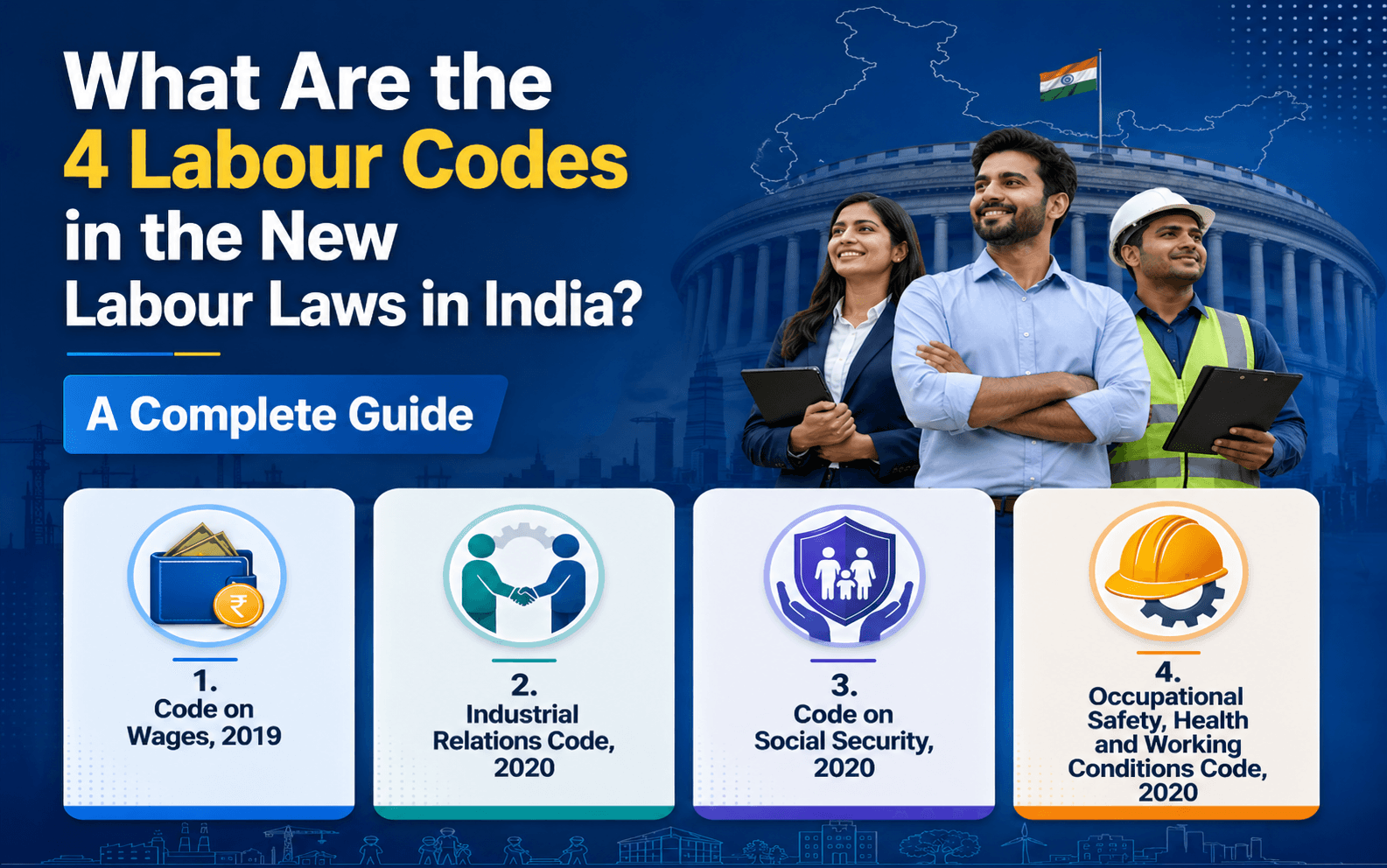
What Are the 4 Labour Codes in the New Labour Laws in India? A Complete Guide
Read More >
15 to 17 minutes
|
All
category
What Are the New External Workforce Trends in 2026?
Read More >