
This article explains how CHROs can standardise contract labour across vendors and locations by adopting a structured vendor compliance operating model. It outlines why vendor workforce management matters for multi-location blue collar workforces, the legal accountability of principal employers, and the risks of fragmented vendor-led processes. The blog highlights how centralized controls, early risk identification, and continuous compliance monitoring enable consistent governance, reduced exposure, and scalable contract workforce standardization.
What is Vendor Compliance Management?
Vendor compliance management is the structured governance of contractors and their deployed workforce to ensure statutory adherence, operational consistency, and workforce traceability across vendors, sites, and geographies. It goes beyond document collection and focuses on how vendors are onboarded, how workers are verified, how attendance and wages are validated, and how compliance evidence is maintained over time.
For organizations managing a large multi-location blue collar workforce, vendor compliance management becomes the backbone of contract workforce standardization. Without a system-driven approach, each vendor operates with its own interpretation of compliance, resulting in fragmented controls and uneven exposure across locations.
Why It Matters
CHROs are increasingly accountable for workforce risks that extend beyond permanent employees. In contract-heavy environments, workforce continuity, statutory adherence, and audit readiness depend on how well vendors and their workers are governed.
As vendor count increases and operations span multiple sites, manual coordination and spreadsheet-based tracking create blind spots. Inconsistent onboarding, delayed document validation, and unverified attendance directly impact wage accuracy and statutory compliance.
Effective vendor workforce management enables CHROs to apply uniform rules across vendors and locations, ensuring that contract labour operates under the same governance framework regardless of who supplies the manpower.
Legal and Statutory Accountability of Principal Employers
Indian labour laws clearly place accountability on principal employers, even when workers are deployed through third-party vendors. This makes contract workforce standardization a legal necessity.
Employees’ Provident Funds and Miscellaneous Provisions Act, 1952:
Governs PF enrollment, contributions, and remittance for eligible contract workers.Employees’ State Insurance Act, 1948:
Covers ESI eligibility, coverage, and contribution obligations for contract labour.Contract Labour (Regulation and Abolition) Act, 1970:
Regulates contractor licensing, principal employer registration, and contract labour records.Payment of Wages Act, 1936:
Mandates timely payment and accuracy of wages.Minimum Wages Act, 1948:
Ensures adherence to notified minimum wage rates.Payment of Bonus Act, 1965:
Applies statutory bonus obligations to eligible contract workers.Employees’ Compensation Act, 1923:
Covers compensation liability for injury, disability, or death during employment.
These laws collectively make vendor compliance a principal employer responsibility, not a vendor-managed activity.
For CHROs managing a multi-location blue-collar workforce, centralized governance is the only scalable and defensible model.
How CHROs Can Build a Scalable Vendor Compliance Operating Model
A scalable vendor compliance operating model enables consistent governance of contract labour across vendors, locations, and workforce types. It focuses on embedding controls early, maintaining centralized visibility, assessing risk proactively, and monitoring compliance continuously.
Establish Strong Controls During Vendor Onboarding
Vendor onboarding is the first control point for contract workforce standardization. A structured approach ensures vendors enter the ecosystem with clearly defined statutory and operational expectations.
Create a Centralised System for Vendor and Workforce Compliance
As vendor count and workforce volume grow, centralized systems are essential to maintain visibility, consistency, and enforceable controls across locations.
Identify Vendor Risk Exposure Before Workforce Deployment
Risk profiling allows organizations to apply proportionate governance by identifying vendors that require tighter monitoring due to scale, dependency, or past compliance gaps.
Monitor Compliance Continuously and Act on Gaps Early
Continuous monitoring enables early intervention, preventing compliance drift and reducing audit and operational risk.
Key Actions That Enable This Operating Model
Standardise vendor onboarding and master data across all locations
Digitally verify worker identity and statutory eligibility before deployment
Link attendance and wage validation to authorised vendors and approved workers
Classify vendors based on compliance and operational risk exposure
Track statutory documents, exceptions, and corrective actions centrally
Conclusion:
As enterprises expand across vendors and locations, managing contract labour through fragmented processes exposes organizations to operational and regulatory risk. Labour laws clearly place accountability on principal employers, making vendor compliance a core governance responsibility.
By combining structured onboarding, risk assessment, digitised compliance controls, and continuous gap analysis, CHROs can standardise contract labour across the multi-location blue collar workforce. Platforms such as BlueTree enable this shift by providing system-driven visibility and control across vendors, workers, and sites.
A disciplined approach to vendor workforce management ensures predictable operations, reduced audit exposure, and scalable growth built on controlled execution.


Manage External Workforce with BlueTree - Govern contract, gig, and blue collar workers across vendors, sites, and shifts.
Frequenty Asked Questions
4-5 Minutes
|
All
category
Global Payroll Week 2026: Why Blue Collar Payroll Needs Better Governance
Read More >
7-8 Minutes
|
All
category
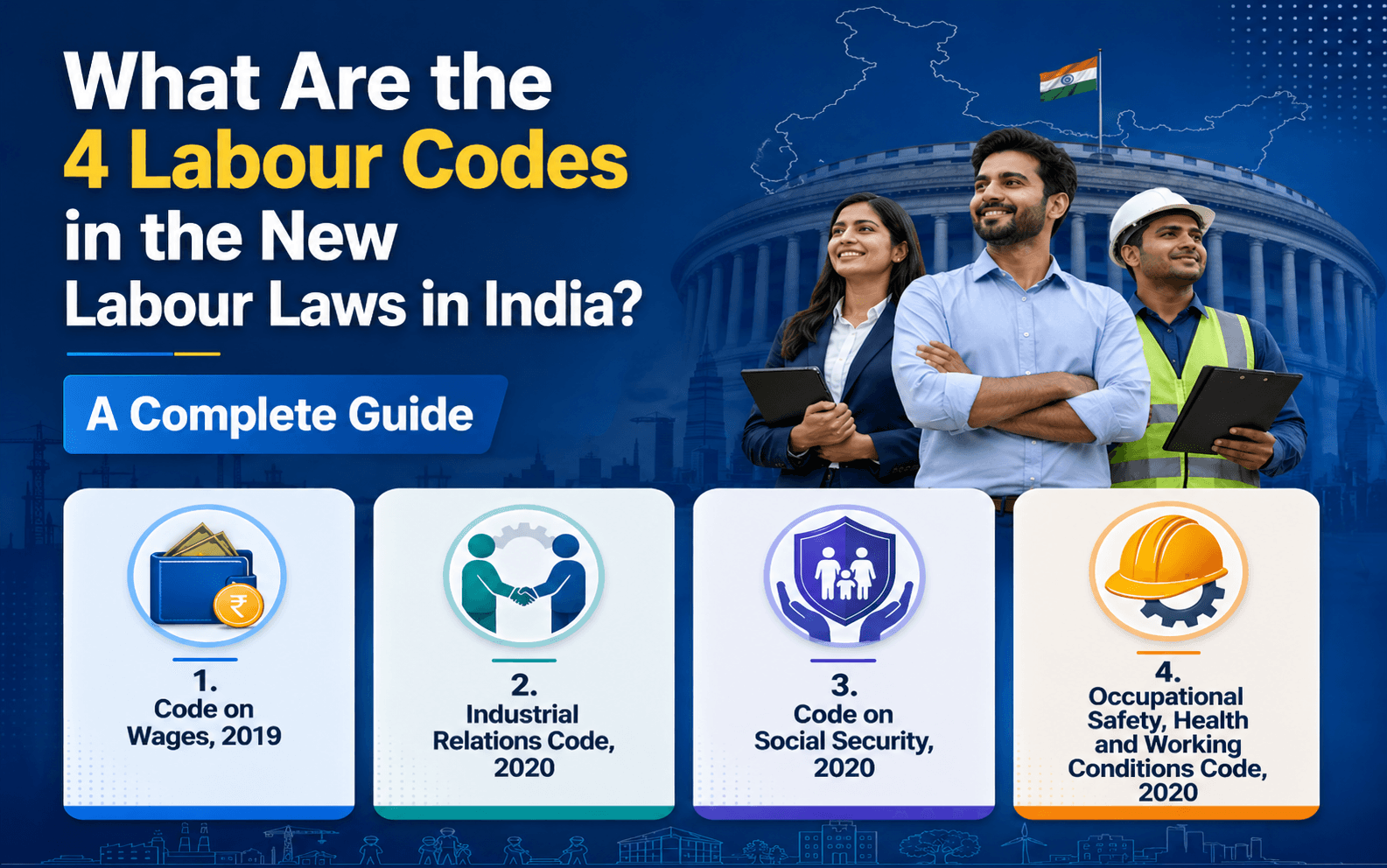
What Are the 4 Labour Codes in the New Labour Laws in India? A Complete Guide
Read More >

15 to 17 minutes
|
All
category
What Are the New External Workforce Trends in 2026?
Read More >