
This blog breaks down the key differences between the blue collar workforce and the white collar workforce, highlighting how frontline and professional workers vary in roles, payroll, attendance, and operational dependency. It explains why managing the blue collar workforce requires specialized HR and workforce management approaches, especially in industries where frontline availability directly impacts business continuity.
Introduction:
In today’s dynamic business landscape, the blue-collar workforce is essential to driving day-to-day operations across industries like manufacturing, logistics, e-commerce & retail. From factory floors to service centers, these frontline workers ensure production, service delivery, and business continuity.
Managing a blue-collar workforce goes beyond job assignments. It involves navigating complex compliance, attendance models, and payroll structures. With diverse work models such as contract, gig, and piece-rate workers, organizations need a centralized platform for seamless onboarding, real-time tracking, and accurate payroll. BlueTree simplifies these processes, ensuring efficiency and compliance while keeping operations smooth and scalable.
Defining both types of Workforces: Blue Collar & White Collar
Blue-Collar Workforce
A blue-collar workforce consists of workers engaged in hands-on, execution-driven roles that directly support operations. These workers are typically deployed at physical locations such as factories, warehouses, construction sites, retail outlets, and service locations.
Blue-collar workers form the frontline workforce responsible for day-to-day execution. Their availability, attendance, and productivity have an immediate impact on business continuity and operational output.
Common blue-collar workforce types include:
Organizations engage blue-collar workers through multiple workforce models, including:
Contract workers – Engaged for a fixed duration or project scope, often through contractors or vendors
Gig workers – Task-based workers engaged for specific assignments, commonly seen in delivery and service roles
Piece-rate workers – Workers compensated based on output or units completed rather than time
Flexi workers – Workers deployed on variable schedules aligned to operational demand
These models are widely used in industries such as manufacturing, logistics, e-commerce & retail. BlueTree supports all these workforce types within a structured management framework.
White-Collar Workforce
White-collar workers perform professional, managerial, and knowledge-based roles. Their work typically focuses on planning, governance, analysis, coordination, and decision-making.
Common examples include IT professionals, finance teams, HR leaders, consultants, managers, and administrative staff. While their work may not always be location-dependent, it plays a critical role in enabling organizational strategy, compliance, and long-term growth.
Differences between Blue-Collar VS White-Collar Workforce
Aspect | Blue-Collar Workforce | White-Collar Workforce |
Job Nature & Environment | Physical, on-site work at factories, warehouses, construction sites, and retail locations where operational output is key. | Office-based or remote work focused on strategic planning, coordination, and management. |
Skill Requirements | Practical trade skills, equipment handling, technical execution, and safety awareness directly impact operations. | Cognitive skills, leadership, communication, and analytical thinking are essential for management and decision-making. |
Education & Credentials | Vocational training, licenses, and certifications are critical; often less focus on formal degrees, but specialized skills are needed. | Formal academic degrees and professional qualifications are usually for management or technical roles. |
Income & Pay Structure | Pay structures include contract wages, gig payouts, piece-rate earnings, and shift-based pay, which can vary daily based on workload. | Fixed monthly salaries with structured incentives, often including performance-based bonuses. |
Payroll Complexity | Payroll complexity arises from factors like overtime, minimum wages, output-based pay, and varying shift schedules. | Standardized payroll with predictable monthly salary cycles and limited variance. |
Background Verification Focus | Focus on identity verification, trade licenses, criminal records, and regional employer checks to ensure compliance and safety. | Academic verification, professional background checks, and employment history verification for credibility. |
Leave & Benefits | Often driven by statutory or contract agreements, with variations based on workforce type (e.g., contract, gig, or full-time workers). | Structured leave policies, employee benefits, and health programs aligned with corporate standards. |
Working Hours & Attendance | Shift-based, overtime-driven, requiring strict attendance tracking to ensure operational continuity and timely task completion. | Flexible work hours with performance-based evaluations, allowing for more autonomy and work-life balance. |
Operational Dependency | Direct impact on operations; absence can halt production, logistics, and service delivery, disrupting business flow. | Indirect impact on daily operations; absence may delay strategic initiatives but typically doesn't halt ongoing work. |
The Blue-Collar Imperative in Workforce Operations
In manufacturing, logistics, e-commerce & retail, blue-collar workers are directly responsible for keeping daily operations running. Any disruption in attendance, shift coverage, or workforce availability can immediately impact production schedules, service levels, and business continuity.
Unlike white-collar roles that influence strategy over time, blue-collar workforce gaps create instant operational risk. This makes real-time visibility into onboarding status, attendance, shift allocation, and payout readiness essential. Platforms like BlueTree help enterprises standardize these controls across vendors and locations, enabling continuity even during peak demand periods.
Conclusion
Organizations across industries rely on a seamless blend of frontline execution and professional oversight to drive success. Managing this diverse workforce requires systems that ensure consistency, compliance, and real-time visibility. As workforce models grow more complex, BlueTree’s platform streamlines workforce management, providing the structure needed for resilient, uninterrupted operations without fragmentation.


Manage External Workforce with BlueTree - Govern contract, gig, and blue collar workers across vendors, sites, and shifts.
Frequenty Asked Questions
4-5 Minutes
|
All
category
Global Payroll Week 2026: Why Blue Collar Payroll Needs Better Governance
Read More >
7-8 Minutes
|
All
category
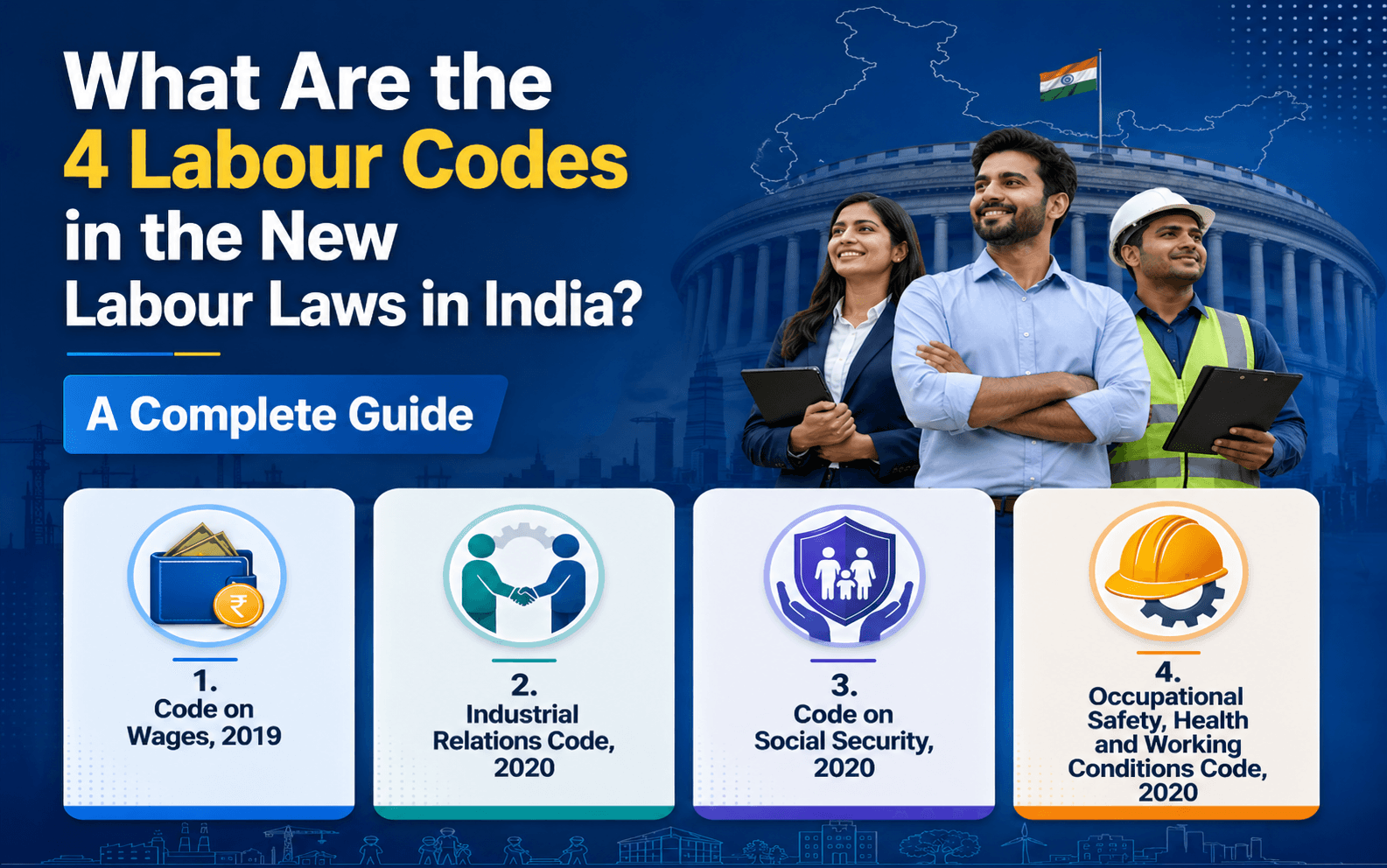
What Are the 4 Labour Codes in the New Labour Laws in India? A Complete Guide
Read More >

15 to 17 minutes
|
All
category
What Are the New External Workforce Trends in 2026?
Read More >