
Skipping background verification for frontline workers may seem like a time-saving decision, but it leads to greater operational, financial, and compliance risks. These risks extend beyond identity fraud to include access issues, duplicate records, payout disputes, site-level incidents, and weak audit traceability across vendors and locations. This blog explains why BGV risk management is crucial in external workforce operations, the impact of skipped verification, and how enterprises can mitigate workforce fraud through structured verification processes.
Introduction
Skipping background verification (BGV) for frontline workers may seem like a quick fix when there is pressure to fill positions fast. However, bypassing BGV introduces significant risks that can affect your entire workforce management system. The decision to skip BGV often stems from the urgency of staffing requirements, but the consequences are far-reaching.
For frontline and contractor-driven operations, verification is not merely a paperwork step - it is an essential control point that determines whether a worker is eligible to join the workforce. This control step influences access management, attendance tracking, payroll, and even compliance with various regulations. If skipped, risks accumulate over time, affecting multiple systems, including security, financial processes, and compliance audits.
Why Skipping BGV Creates Serious Frontline Workforce Risk
Many enterprises rely on urgent hiring processes, where contractors submit worker lists to meet immediate staffing needs. While it may seem convenient to defer verification in such cases, it only increases the risk to the organization in the long run. Here’s why:
Operational Risks:
BGV serves as a safeguard, ensuring that workers are qualified for their roles, minimizing operational disruptions. When verification is skipped, the worker may not meet job-specific requirements, such as safety or health certifications, leading to potential accidents or mistakes on the job.Fraud Exposure:
Unverified workers create opportunities for fraud, either through intentional deception (e.g., fake IDs, false credentials) or unintentional errors (e.g., duplicate records). Fraudulent workers can manipulate attendance, payroll, or project assignments, leading to financial discrepancies that are hard to trace and rectify.Compliance Violations:
Many industries require strict compliance with labor laws, including documentation, licenses, and background checks. Bypassing BGV jeopardizes compliance efforts, exposing the organization to legal penalties, reputational damage, and operational inefficiency. It also hampers audit preparedness, as documentation and verification may be incomplete or non-existent.Security and Site Integrity:
Frontline workers often handle sensitive tasks or work in high-risk environments. Skipping verification may allow unauthorized individuals access to these environments, creating security risks. This may lead to unsafe working conditions or legal consequences if unauthorized workers are involved in an accident or incident on the job.
Skipping BGV is not simply a temporary shortcut - it is a systemic issue that can compromise several operational pillars. BlueTree addresses these challenges by streamlining and automating the BGV process, ensuring that all workers meet the necessary requirements before being deployed.
What Happens When Unverified Contract Workers Enter Operations?
Skipping BGV results in compounded risks that appear incrementally, not immediately noticeable but escalating quickly. Here’s how:
Unreliable Workforce Records:
If a worker enters the system without proper verification, the enterprise loses confidence in the authenticity and accuracy of the worker's data. This leads to issues like:Duplicate records that skew attendance and payroll data.
Missed opportunities to spot discrepancies early, affecting data accuracy in business-critical systems like payroll or HR management.
BlueTree ensures data integrity by automatically checking for duplicate records before workers are onboarded, maintaining accurate and trustworthy workforce data.
Increased Risk of Unauthorized Site Access:
Unverified workers may be granted access to restricted areas or confidential tasks. This can lead to security risks, workplace accidents, or breaches in site protocols, especially in environments that require strict safety measures.
With BlueTree, site access is controlled, ensuring that only verified workers are allowed to enter secure areas, reducing the risk of unauthorized access.Payroll and Payout Issues:
Unverified records often lead to mistakes in payment processing. Errors like incorrect bank details, mismatched wage calculations, and duplicate profiles are more likely to occur, increasing manual intervention and delays in wage distribution.
BlueTree’s platform ensures accurate payroll processing by validating all worker data before it enters the system, preventing errors in payout calculations.Fraud Becomes Harder to Detect:
When workers are not properly verified, fraud can go unnoticed for longer periods. Common issues include:Proxy deployment (where someone else shows up for the actual worker).
False credentials or altered documents that are difficult to detect once they enter the system without verification.
With tools like Aadhaar-based identity verification and face matching, BlueTree ensures that only the correct person is deployed, reducing the risk of proxy deployment and fraudulent activity.
Audit and Compliance Challenges:
Without a clear verification trail, audits become time-consuming and error-prone. If verification steps aren’t clearly documented, it becomes difficult to prove compliance during internal or external audits. BlueTree’s system keeps an audit-friendly trail of all verification steps, ensuring that documentation is readily available for review.
Common BGV Failure Risks in Frontline and Field Workforce Environments
When verification is skipped or poorly implemented, certain recurring failure patterns emerge. These risks include:
Fake or Duplicate Worker Identities:
Workers can be onboarded multiple times using slightly altered details, such as different names, mobile numbers, or incomplete IDs. This creates data discrepancies, as well as fraud risks.BlueTree prevents duplicate onboarding by cross-referencing worker data against existing records and flagging discrepancies.
Proxy Deployment:
This happens when the person deployed to a job site isn’t the same person whose documents were submitted during onboarding. Proxy deployment poses serious security risks, especially in roles requiring specific qualifications or security clearances.
BlueTree’s face matching and biometric verification systems ensure that the worker on-site is the same as the one whose details were submitted, reducing the risk of proxy deployment.Invalid Document-Based Onboarding:
Contractors may submit documents that look legitimate but are not verified. This creates a false sense of security, as HR or operations teams might assume the documents have been validated when they haven’t.
BlueTree validates documents automatically using integrated verification processes, ensuring that only verified documents are accepted.Wrong Contractor or Site Mapping:
Even if a worker is verified, their record might be mapped to the wrong contractor or site. This can lead to confusion, billing discrepancies, and misallocation of workers to tasks that are not suited to their qualifications or location.
BlueTree ensures accurate mapping by linking worker data directly to the correct contractor and site, reducing errors in worker allocation.Unauthorized or Unsuitable Deployment:
Some workers may be deployed to roles that require additional checks, like medical tests or police background checks. Skipping these checks puts the worker and the company at risk.
BlueTree applies role-based verification to ensure that workers are fit for the specific tasks they are assigned, providing an added layer of security and compliance.Payout and Billing Exceptions:
Unverified workers lead to issues during payroll processing. Common problems include incorrect bank details, disputes over wages, or incorrect billing due to wrong worker mapping.
BlueTree ensures all worker data is verified before entering payroll and billing systems, reducing errors and the need for manual intervention.
How to Build a Practical BGV Risk Management Process
Building a robust BGV risk management system requires more than just conducting checks. It involves creating a structured workflow that ensures only verified workers are allowed to proceed through the hiring process. Here’s how to build one:
Phase 1: Validate Contractor Authorization
Ensure that the contractor is approved and authorized to engage with your workforce. This prevents unauthorized or unqualified contractors from onboarding workers who might not meet required standards.Phase 2: Standardize Worker Data Capture (for consistency)
Implement a standardized data capture process that includes essential worker details such as full name, date of birth, government ID (Aadhaar or other), bank account details, and role/site mapping. This reduces the risk of incomplete or inconsistent verification.Phase 3: Implement Core Identity and Verification Checks (to ensure worker legitimacy)
Perform basic checks such as identity verification, document validation, duplicate checks, and bank validation. Role-specific checks can also be added to ensure that workers meet job requirements.Phase 4: Add Role-Based and Site-Specific Checks
Depending on the role and site, different verification requirements may apply:Safety-critical roles may require medical fitness checks.
Sensitive environments may need police verification.
Certain industries may require licenses or specialized training certifications.
Phase 5: Define Outcome-Based Control
Define clear outcomes for each verification process, including whether a worker is approved, on hold, or has been approved with exceptions. This clarity ensures that verification failures are not bypassed.Phase 6: Track Reason Codes and Recurring Failure Patterns
Track common verification issues such as duplicate attempts, rejected documents, and site-specific failures. By identifying patterns, you can focus on the areas that need improvement.
Best Way to Prevent Verification Gaps Across Contractor and Sites
To prevent verification gaps at enterprise scale, businesses should use a platform-driven approach. BlueTree ensures consistency and control over verification processes across all contractors and sites by offering:
Standardized Verification Across Vendors and Sites
BlueTree unifies verification standards across all contractors and locations, preventing variations that create compliance gaps.Centralized Visibility into Verification Status
Teams can monitor the verification status of all workers in real-time, reducing the risk of unverified workers being deployed.Clear Outcome-Based Control
Verification is tied to a specific outcome - either approved or flagged for review - making the process more transparent and accountable.Audit-Ready Traceability
BlueTree ensures every verification step is documented, allowing for easy audits and ensuring full compliance at every stage.
Conclusion
Delaying BGV verification may seem like a shortcut, but it risks your security, compliance, and overall operational integrity. Act now to avoid costly errors. Skipping verification introduces serious risks that can affect multiple aspects of your business, including fraud, compliance, payroll, and security. By adopting a structured BGV risk management process and leveraging solutions like BlueTree, organizations can streamline verification, ensure compliance, and reduce the likelihood of operational disruptions.


Manage External Workforce with BlueTree - Govern contract, gig, and blue collar workers across vendors, sites, and shifts.
Frequenty Asked Questions
4-5 Minutes
|
All
category
Global Payroll Week 2026: Why Blue Collar Payroll Needs Better Governance
Read More >
7-8 Minutes
|
All
category
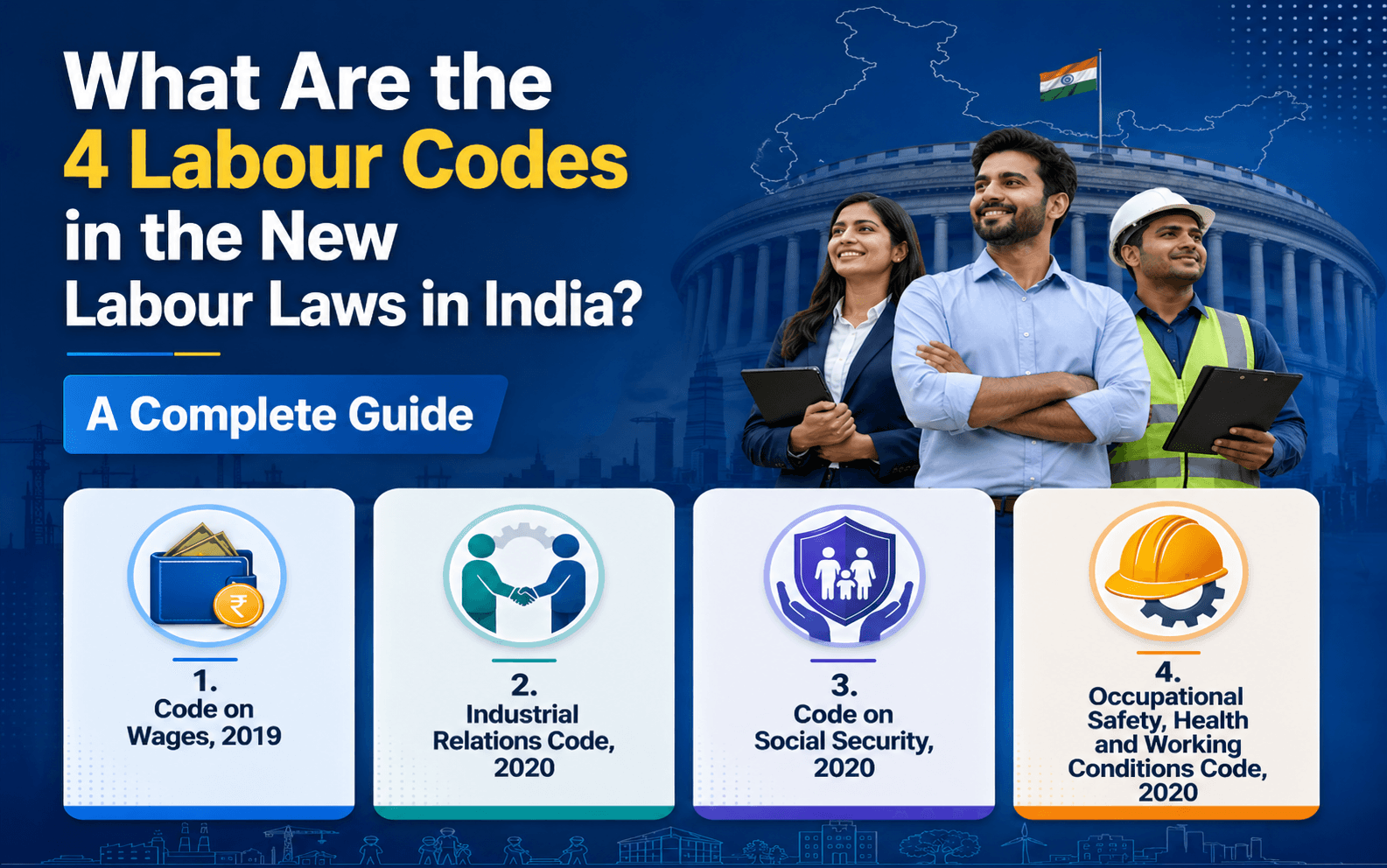
What Are the 4 Labour Codes in the New Labour Laws in India? A Complete Guide
Read More >

15 to 17 minutes
|
All
category
What Are the New External Workforce Trends in 2026?
Read More >