
Learn how Labour Welfare Fund (LWF) applicability, contribution rates, payment requirements, and compliance obligations vary across Indian states. This guide explains employee and employer contributions, registration and payment processes, essential records, and common compliance challenges. Discover how BlueTree helps enterprises streamline payroll compliance, documentation, and statutory tracking across multiple locations.
Introduction
The Labour Welfare Fund (LWF) is an important statutory requirement for employers operating in applicable states across India. Since LWF applicability, labour welfare fund contribution rates, payment frequency, and due dates can differ from one state to another, managing compliance across multiple locations can become complex.
For organisations with distributed and external workforces, keeping track of state-specific requirements is essential for accurate labour welfare fund compliance. This guide explains LWF applicability, labour welfare fund state-wise rates and due dates, payment requirements, and common compliance mistakes employers should avoid.
What Is the Labour Welfare Fund (LWF) in India?
The Labour Welfare Fund (LWF) is a statutory contribution established under state-specific labour welfare fund laws to support welfare initiatives for eligible workers. These funds may be used for initiatives related to healthcare, education, housing, recreation, and other worker welfare measures, depending on the applicable state framework.
The labour welfare fund contribution generally involves contributions from the employee and employer, with the applicable amount, frequency, and payment requirements varying by state. As a result, organisations operating across multiple states need to understand the LWF provisions applicable to each establishment.
For employers managing large and distributed workforces, maintaining accurate employee and payroll data is important for determining applicability and supporting consistent labour welfare fund compliance.
What Is the Purpose of the Labour Welfare Fund?
The Labour Welfare Fund is intended to support the social and working conditions of eligible employees through welfare initiatives administered under applicable state frameworks. The specific benefits and programmes supported by the fund can vary depending on the state.
Depending on the applicable provisions, Labour Welfare Fund resources may support areas such as:
Healthcare and medical assistance for workers and their families
Education support for employees or their dependants
Housing and related welfare assistance
Recreational and cultural facilities for workers
Skill development and vocational support
Other employee welfare initiatives prescribed under the relevant framework
For employers, the labour welfare fund contribution is therefore more than a payroll deduction. Where LWF applies, it forms part of the organisation's statutory responsibilities and needs to be incorporated into payroll and labour welfare fund compliance processes.
Labour Welfare Fund Applicability: Who Needs to Pay?
Labour Welfare Fund applicability depends on the legislation and rules of the state where an establishment operates. It may apply to specified establishments and eligible employees covered under the respective state’s Labour Welfare Fund provisions.
Where applicable, the labour welfare fund contribution may involve:
Employee contribution: An amount deducted from eligible employees as prescribed by the applicable state.
Employer contribution: The employer’s prescribed contribution towards the fund.
State-specific applicability: Coverage, contribution rates, frequency, and due dates can differ across states.
Employee eligibility: Certain categories of employees may be included or excluded based on the applicable state provisions.
For businesses operating across multiple locations, labour welfare fund compliance should therefore be assessed state by state rather than applying a single contribution rule across the entire workforce. Accurate employee, location, and payroll records are essential for determining who is covered and calculating the applicable contributions.
How Does Labour Welfare Fund Contribution Work?
The labour welfare fund contribution is generally collected through contributions from eligible employees and their employers. Where LWF applies, the employee's prescribed share is deducted through payroll, while the employer contributes the amount required under the applicable framework.
The contribution process typically involves:
Employee contribution: The prescribed amount is deducted from the wages of eligible employees.
Employer contribution: The employer contributes its applicable share in addition to the employee deduction.
Contribution frequency: LWF contributions may be collected and deposited at prescribed intervals, depending on the applicable requirements.
Payment and documentation: Employers need to deposit the applicable contributions and maintain supporting payroll and payment records.
There is no single labour welfare fund contribution structure that can be applied across every establishment in India. The applicable contribution amount, employee coverage, frequency, and payment requirements depend on the relevant framework.
For organisations operating across multiple locations, this makes accurate employee location and payroll data particularly important. Contributions should be mapped to the applicable establishment and employee rather than applying one standard LWF rule across the entire workforce.
Why Does Labour Welfare Fund Compliance Vary Across States?
Labour Welfare Fund compliance varies across India because LWF requirements are governed through state-specific frameworks rather than a single uniform contribution structure for every establishment.
As a result, labour welfare fund state-wise requirements may differ in areas such as:
Applicability: The types of establishments and employees covered can vary.
Contribution amounts: Employee and employer contribution requirements may differ.
Contribution frequency: The prescribed contribution cycle is not necessarily the same across states.
Payment requirements: Procedures and timelines for depositing contributions may vary.
Employee eligibility: Coverage or exemptions may depend on the applicable provisions.
Compliance documentation: Employers may need to maintain specific records and payment documentation.
This becomes particularly important for enterprises operating across several locations. A payroll process configured for one state cannot automatically be assumed to meet LWF requirements elsewhere. Employers need to map employees and establishments to the applicable requirements and keep compliance processes updated as those requirements change.
Labour Welfare Fund Compliance: What Employers Must Follow
Effective labour welfare fund compliance requires employers to identify whether LWF provisions apply to their establishment and eligible employees under the relevant state framework. Where applicable, employers need to calculate, deduct, contribute, and maintain records in accordance with prescribed requirements.
Key compliance responsibilities include:
Check applicability: Determine whether the establishment and employees are covered under the applicable LWF provisions.
Calculate contributions correctly: Apply the prescribed employee and employer labour welfare fund contribution.
Make timely payments: Deposit contributions within the applicable contribution cycle and deadline.
Maintain payroll records: Keep accurate records of employee deductions and employer contributions.
Monitor location-specific requirements: Account for differences in LWF requirements when operating across multiple states.
Keep compliance records: Maintain relevant payment and supporting documentation for compliance reviews.
For organisations managing large, distributed workforces, BlueTree can help bring payroll and statutory compliance information into structured workflows, improving visibility across employees and locations.
Labour Welfare Fund Registration and Payment Process
The Labour Welfare Fund registration and payment process depends on the requirements applicable to the establishment. Employers should first determine whether their establishment and employees are covered before processing any labour welfare fund contribution.
The general process includes:
Verify LWF applicability: Identify whether the establishment and eligible employees fall under the applicable Labour Welfare Fund provisions.
Complete the required registration: Where registration is required, provide the prescribed establishment and employer details through the applicable process.
Identify eligible employees: Maintain accurate employee and location data to determine which workers are covered.
Calculate contributions: Calculate employee deductions and employer contributions according to the applicable requirements.
Deposit the contribution: Submit the total contribution through the prescribed payment method within the applicable deadline.
Maintain payment records: Retain contribution details, payment acknowledgements, and supporting payroll records for compliance purposes.
For multi-location employers, maintaining accurate employee, payroll, and compliance records helps make labour welfare fund compliance easier to monitor and reduces the risk of missed payments or incorrect deductions.
What Records Should Employers Maintain for LWF Compliance?
Accurate record keeping is an important part of labour welfare fund compliance. Employers should maintain sufficient documentation to track employee deductions, employer contributions, payments, and the basis on which LWF applicability has been determined.
Depending on the applicable requirements, relevant records may include:
Employee details: Employee identification, work location, employment details, and other information used to determine LWF applicability.
Payroll records: Salary and wage records showing the applicable labour welfare fund contribution deducted from employees.
Employer contribution records: Details of the employer's corresponding LWF contribution.
Contribution calculations: Records showing how employee and employer contribution amounts were determined.
Payment records: Payment acknowledgements, receipts, or other evidence of contributions deposited.
Compliance documents: Relevant registrations, filings, approvals, and supporting documentation required under the applicable framework.
Location-specific records: For multi-state organisations, records that help distinguish compliance requirements and contributions across establishments.
Centralising these records can make it easier to monitor compliance across a distributed workforce. BlueTree supports document tracking and structured compliance workflows, helping organisations maintain better visibility over workforce and statutory compliance records.
Challenges of Managing LWF Compliance Across Multiple Locations
For organisations with employees or external workforces spread across multiple locations, labour welfare fund compliance can become difficult to manage consistently. Differences in applicability and contribution requirements mean employers cannot rely on a single process for the entire workforce.
Common challenges include:
Different compliance requirements: LWF applicability, employee coverage, contribution requirements, and payment cycles may differ across locations.
Employee-location mapping: Employers need accurate work-location and employee data to determine which requirements apply to each worker.
Payroll complexity: Applying different labour welfare fund contribution rules across establishments increases the risk of incorrect deductions or contributions.
Tracking compliance timelines: Multiple contribution cycles and payment deadlines can be difficult to monitor manually.
Managing documentation: Payroll records, payment acknowledgements, and supporting compliance documents may be spread across teams, vendors, or locations.
Keeping requirements updated: Changes to applicable provisions need to be reflected in payroll and compliance processes.
Limited central visibility: Disconnected spreadsheets and systems can make it harder for HR and compliance teams to identify missing records or compliance gaps.
A centralised approach to workforce and compliance management can help organisations maintain consistent employee data, documentation, and compliance tracking across locations. This is particularly valuable for enterprises managing a large external workforce across multiple establishments.
How Can Technology Simplify Labour Welfare Fund Compliance?
Technology can make labour welfare fund compliance easier by bringing workforce, payroll, and compliance information into a more structured system. This is especially useful for enterprises managing employees across multiple establishments, where manual spreadsheets and disconnected records can increase the risk of errors.
A workforce and compliance management platform can help organisations:
Centralise employee data: Maintain employee, work location, and engagement details needed to support compliance processes.
Improve payroll compliance: Keep statutory payroll requirements, including Labour Welfare Fund, within a structured payroll compliance process.
Maintain compliance documentation: Store and track relevant documents and records instead of managing them across multiple spreadsheets or systems.
Standardise approval workflows: Use defined workflows for compliance document tracking and approvals.
Improve multi-location visibility: Give HR and compliance teams better oversight of workforce and compliance information across locations.
Reduce manual dependency: Structured workflows can reduce fragmented record keeping and make compliance monitoring more consistent.
BlueTree supports payroll compliance processes that include the Labour Welfare Fund, along with workforce data management, document tracking, and compliance approval workflows. For organisations managing large external workforces, bringing these processes together can make statutory compliance easier to monitor and manage.
Common Labour Welfare Fund Compliance Mistakes to Avoid
Managing Labour Welfare Fund compliance can become challenging for organisations with employees across multiple locations. Even small errors in employee data, contribution calculations, or payment tracking can create compliance gaps.
Common mistakes employers should avoid include:
Assuming LWF applies uniformly across India: Applicability and requirements can vary by state.
Incorrectly identifying eligible employees: Inaccurate employee or establishment data can lead to incorrect deductions or missed contributions.
Using incorrect contribution amounts: Employers should apply the prescribed employee and employer labour welfare fund contribution applicable to their establishment.
Missing payment deadlines: Poor tracking of contribution periods and due dates can result in delayed payments.
Failing to update compliance requirements: Employers should monitor changes to applicable LWF provisions instead of relying on outdated contribution information.
Maintaining incomplete records: Contribution calculations, employee deductions, payment acknowledgements, and related documents should be properly maintained.
Managing compliance manually across locations: Fragmented spreadsheets and records can make it difficult to maintain consistent visibility over statutory obligations.
A structured compliance management process helps employers track applicable requirements, maintain supporting documentation, and reduce errors when managing a distributed workforce.
Conclusion
Managing the Labour Welfare Fund requires employers to understand applicability, identify eligible employees, calculate the correct labour welfare fund contribution, meet applicable payment requirements, and maintain accurate compliance records.
For organisations with distributed or external workforces, a structured approach to labour welfare fund compliance can reduce calculation errors, missed obligations, and fragmented record keeping. BlueTree supports payroll and statutory compliance management, including Labour Welfare Fund processes, helping organisations maintain better visibility and consistency across their workforce.


Manage External Workforce with BlueTree - Govern contract, gig, and blue collar workers across vendors, sites, and shifts.
Frequenty Asked Questions
4-5 Minutes
|
All
category
Global Payroll Week 2026: Why Blue Collar Payroll Needs Better Governance
Read More >
7-8 Minutes
|
All
category
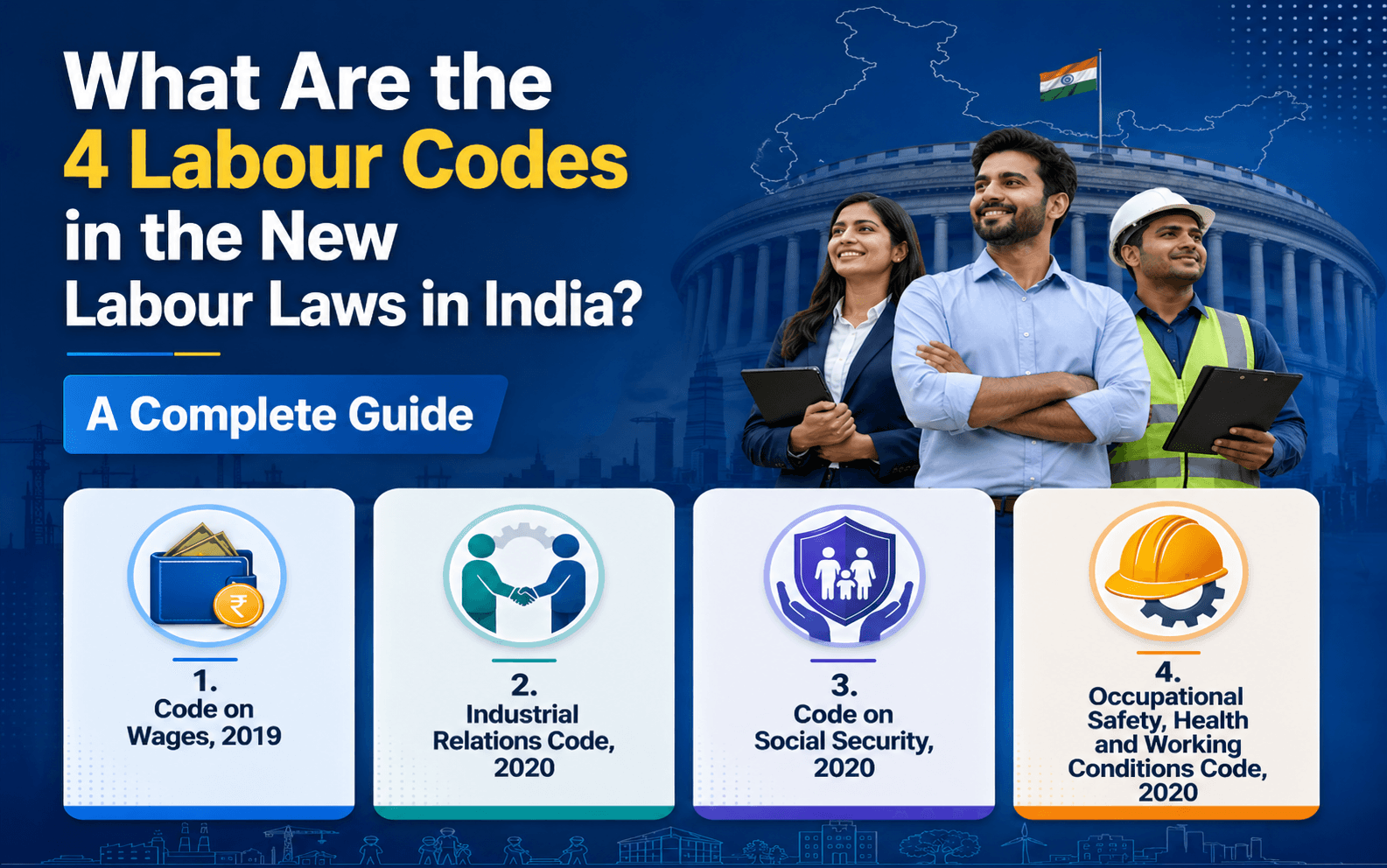
What Are the 4 Labour Codes in the New Labour Laws in India? A Complete Guide
Read More >

15 to 17 minutes
|
All
category
What Are the New External Workforce Trends in 2026?
Read More >