
Piece-rate payout processes often fail due to fragmented data, manual approvals, and weak compliance checks. This blog explains how enterprises can structure task-based payroll, automate payout workflows, and improve accuracy, visibility, and compliance using payout software across contractors, sites, and workforce categories.
Introduction
For enterprises managing large blue-collar workforce across multiple sites and contractors, payouts are one of the most operationally sensitive processes.
In piece-rate and task-based environments, payouts depend on:
output recorded across shifts
contractor submissions
rate structures that vary by task and location
approvals at multiple levels
When these inputs are fragmented, the payout process becomes difficult to control.
Common outcomes include:
mismatched contractor billing
payout disputes from workers
delays in payroll cycles
limited visibility into workforce spend
This is why enterprises are moving toward structured systems that can manage task based payroll India workflows with better consistency and traceability.
Understanding Piece-Rate & Task-Based Payout Systems
In a piece-rate model, workers are paid based on output instead of time.
This model is widely used in:
manufacturing and assembly lines
warehouse and logistics operations
construction task-based work
The advantage is clear. Cost aligns with productivity.
But unlike time-based payroll, this model depends heavily on how output is tracked, validated, and converted into payouts.
At enterprise scale, this is less about calculation and more about process control.
Where Piece-Rate Payout Processes Usually Break
Most enterprises do not struggle with defining rates. The breakdown happens during execution.
Fragmented task data
Output is captured in different formats across contractors, supervisors, and locations.
Approval gaps
Rejected or partially completed work is not consistently separated from payable output.
Rate inconsistencies
The same task may be paid differently across sites without centralized control.
Contractor dependency
Enterprises rely on contractor summaries instead of worker-level data.
Late compliance checks
Minimum wage and statutory validation are done after payout instead of before.
Weak audit trails
There is no clear linkage between worker, output, rate, approval, and payout.
These gaps increase as workforce volume and operational complexity grow.
The Piece-Rate & Task-Based Payout Process
A structured payout process must connect multiple layers.
1. Task tracking
Capture output at worker level, including:
units completed
task type
shift context
2. Rate application
Apply predefined rates based on:
task
location
worker category
3. Workforce mapping
Link output to:
worker ID
contractor
site
4. Validation and approval
Ensure:
only approved output is counted
rejected work is excluded
supervisor validation is recorded
5. Payout generation
Calculate payouts using:
approved output
applicable rates
rule-based adjustments
Enterprise-level example
Worker ID: W102
Site: Pune Warehouse
Contractor: ABC Logistics
total units scanned: 150
rejected units: 20
approved units: 130
base rate: ₹6
peak shift incentive: ₹1
Final payout:
130 × ₹7 = ₹910
Before finalizing, the system should also check:
wage threshold alignment
contractor mapping
approval trail
This level of control is what defines a scalable payout process.
How to Automate the Piece-Rate & Task-Based Payout Process
Automation replaces manual coordination with structured workflows.
What changes with automation
output captured in a standard format
rate logic applied consistently
approvals built into the workflow
payouts calculated automatically
compliance checks integrated before payroll
What enterprises gain
fewer calculation errors
faster payout cycles
better visibility across sites
reduced dependency on contractor inputs
This is where modern payout software becomes critical.
Ensuring Compliance in Piece-Rate Payout Systems
Compliance must be embedded into the payout workflow.
Where compliance checks should happen
Before approval
Validate output and worker classification
Before payout finalization
Check wage thresholds and statutory applicability
During reporting
Maintain audit-ready records for inspections
Common risks without structured systems
underpayment due to output variation
incorrect PF/ESI treatment
contractor reconciliation issues
audit exposure
This is why compliance cannot be treated as a post-processing step.
How BeeForce Helps Manage Piece-Rate Payout Operations
BeeForce by BlueTree helps enterprises run piece-rate and task-based payouts through a connected workflow rather than fragmented steps.
From fragmented inputs to a unified workflow
Instead of relying on multiple sources, BeeForce connects:
workforce data
attendance inputs
task output
rate logic
approvals
into a single system.
From manual payout to attendance-linked billing
Payouts are aligned not only to output, but also to:
attendance inputs
contractual terms
wage structures
This ensures more accurate and consistent billing.
From contractor dependency to centralized control
Enterprises gain visibility across:
contractors
sites
workforce categories
without relying only on external data submissions.
From calculation to audit-ready records
BeeForce maintains:
payout history
approval trails
rate references
compliance records
This supports audit readiness and reduces reconciliation effort.
From operational tracking to cost visibility
Enterprises can track:
workforce spend
overtime cost impact
vendor billing trends
This moves the system from a payout tool to a workforce cost control layer.
BeeForce is designed for high-volume, contractor-driven environments where payout accuracy, compliance, and operational control must work together.
The Benefits of Using a Structured Payout System
For operations
More consistent payout execution across sites and contractors
For finance teams
Better control over workforce cost and billing
For compliance teams
Improved audit readiness and statutory alignment
For workers
Clear payout logic and fewer disputes
Conclusion
Piece-rate payout processes rarely fail because of calculation. They fail because of fragmentation.
As workforce operations scale, manual processes create inconsistencies across:
task tracking
approvals
rate application
compliance checks
Enterprises that move toward structured, system-driven workflows gain better control over payout accuracy, compliance, and workforce cost visibility.
BeeForce helps operationalize this by connecting payout, billing, compliance, and workforce data into a single, controlled workflow.


Manage External Workforce with BlueTree - Govern contract, gig, and blue collar workers across vendors, sites, and shifts.
Frequenty Asked Questions
4-5 Minutes
|
All
category
Global Payroll Week 2026: Why Blue Collar Payroll Needs Better Governance
Read More >
7-8 Minutes
|
All
category
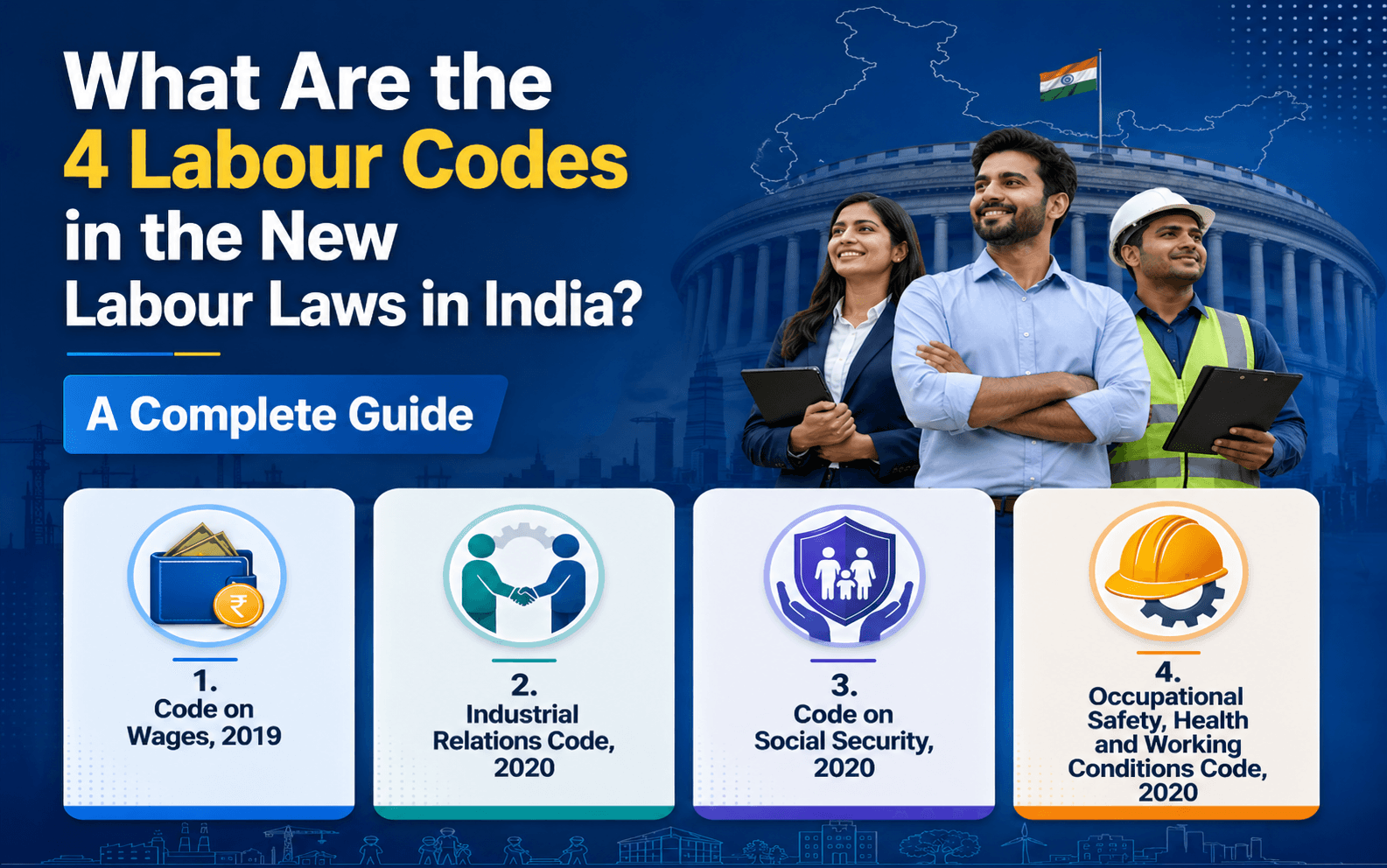
What Are the 4 Labour Codes in the New Labour Laws in India? A Complete Guide
Read More >

15 to 17 minutes
|
All
category
What Are the New External Workforce Trends in 2026?
Read More >