The Code on Industrial Relations 2020 increases the importance of structured employee communication, grievance handling, and dispute management for enterprises managing large workforces. This blog explains how HR and operations teams can strengthen industrial relations through better communication, proactive dispute resolution, compliant grievance workflows, and connected workforce systems that improve transparency, traceability, and workforce governance.
Introduction
The Code on Industrial Relations 2020 has introduced significant changes to how enterprises in India must manage industrial relations, with a specific focus on employee communication and dispute management.
For enterprises with large external workforces, such as manufacturing, retail, logistics, and facility management, understanding and implementing these changes is critical. Poor communication, weak grievance handling systems, and outdated dispute resolution processes can lead to operational disruptions, employee dissatisfaction, and legal challenges.
The new Code does not just affect trade unions and large employee groups but applies to all establishments with a workforce of 100 or more workers. It brings about changes in how disputes are managed, how strikes and lockouts are handled, and what role communication plays in maintaining industrial harmony.
This blog explores the key provisions of the Code on Industrial Relations 2020 and how HR teams, compliance managers, and operations leaders can align their practices to minimize disputes and foster a more compliant and cooperative workforce environment.
What Is the Code on Industrial Relations 2020?
The Code on Industrial Relations 2020 aims to simplify and modernize industrial relations laws in India. It consolidates several existing laws, including the Industrial Disputes Act, 1947, and provisions of the Trade Unions Act, 1926, to create a more streamlined, transparent, and fair framework for industrial dispute resolution.
The Code covers:
Employee classifications: It redefines the term "worker" and outlines the different types of workers covered by the law.
Dispute resolution: A streamlined process for managing disputes between employers and employees, including an emphasis on conciliation, mediation, and arbitration.
Trade union recognition: Establishing clear guidelines for the registration and recognition of trade unions.
Right to strike and lockout: The Code introduces clearer guidelines for employees' rights to strike and lockout.
Grievance redressal: It emphasizes the establishment of grievance redressal committees and formal procedures to resolve disputes quickly.
The key shift brought by the Code is the importance it places on communication and transparency between employers and workers, particularly when it comes to handling grievances, disputes, and strikes. This aligns with the broader objective of ensuring smoother industrial relations and reducing the number of contentious issues that escalate into prolonged disputes or strikes.
Why Employee Communication Matters Under the Code
Effective communication plays a central role under the Industrial Relations Code 2020. Communication gaps can quickly turn minor grievances into full-fledged disputes.
The new Code mandates that enterprises must implement robust systems for grievance redressal and worker communication. Establishments are now required to establish a Grievance Redressal Committee (GRC), which must be constituted with equal representation from workers and employers. Additionally, the Code mandates transparency in communication about changes in employment terms and conditions, including shifts, allowances, or wage changes.
The role of communication in managing disputes
Effective employee communication helps:
Prevents Misunderstandings: Clear communication helps prevent misunderstandings and miscommunications that could otherwise escalate into disputes or dissatisfaction.
Timely Grievance Addressal: Effective communication ensures grievances are addressed promptly and systematically, preventing issues from becoming larger conflicts.
Informs Employees of Their Rights: Regular and transparent communication educates employees about their rights under the Industrial Relations Code, including fair treatment, safe working conditions, and proper remuneration.
Reduces Risk of Industrial Actions: Proper communication reduces the likelihood of strikes, lockouts, and other industrial actions, as workers feel their concerns are being heard and resolved.
Ensures Transparency and Accessibility: Enterprises must ensure all communication is transparent, clear, and accessible to workers, making it easier to understand and act upon any changes to their employment terms.
Enterprises must, therefore, ensure that all communication with workers is clear, accessible, and actionable.
How the Code Changes Dispute Management
Under the previous industrial relations laws, managing disputes was often a reactive process. Disputes were handled after they had escalated, sometimes leading to strikes, lockouts, or prolonged negotiations. The Code on Industrial Relations 2020 emphasizes a proactive and structured approach to dispute management.
Key changes include:
Formation of a Grievance Redressal Committee (GRC): For establishments with 20 or more workers, a GRC must be formed. This committee is responsible for addressing grievances and disputes in an effective, transparent, and time-bound manner. This is a shift towards formalizing dispute management and giving workers a structured platform for voicing their concerns.
Conciliation and Mediation: The Code stresses the importance of conciliation and mediation in resolving disputes before they escalate to strikes or lockouts. This reduces reliance on formal judicial processes and encourages quicker, mutually beneficial resolutions.
Time-bound dispute resolution: The Code imposes time limits for resolving disputes through conciliation, helping prevent delays that often lead to employee dissatisfaction.
Simplified process for industrial strikes: The Code brings more clarity to the rules surrounding strikes, lockouts, and industrial actions. It specifies the minimum notice period required before a strike can take place, along with the procedures that must be followed.
By promoting a structured dispute resolution framework, the Code aims to reduce operational disruptions and improve industrial harmony.
Changes in Strike, Lockout, and Notice Rules
The Code on Industrial Relations 2020 brings substantial updates to the rules surrounding strikes, lockouts, and notices, emphasizing a more structured and transparent approach to industrial actions. These changes aim to create a fairer environment for dispute resolution and prevent unnecessary disruptions.
Minimum Notice Period for Strikes and Lockouts: Employees must now provide a minimum notice before initiating a strike or lockout, allowing time for resolution and reducing immediate disruptions.
Clearer Strike and Lockout Procedures: The new Code formalizes the steps and processes for declaring a strike or lockout, ensuring that both employers and employees follow a structured approach.
Advance Notification of Employment Changes: Any changes to employment terms, such as shift timings or wage modifications, must be communicated in advance to workers, ensuring transparency and preventing misunderstandings.
Proactive Conflict Resolution: The Code encourages dialogue and formal communication between workers and employers before industrial actions, helping to prevent disputes from escalating into strikes or lockouts.
Promoting Industrial Harmony: By making these procedures more transparent, the Code seeks to create a more stable and cooperative work environment, reducing disruptions and fostering a productive workplace.
These updates not only aim to streamline industrial relations but also promote a more harmonious and transparent communication process between employers and employees, ensuring smoother operations and reduced conflict.
What HR Teams Need to Update Internally
To comply with the Code on Industrial Relations 2020, HR teams must make several key updates to their internal processes:
Establish a Grievance Redressal Committee (GRC): HR teams must ensure that a GRC is formed with equal representation from both employees and employers, in line with the Code, to resolve disputes effectively.
Document Employee Rights: HR teams need to document the rights of employees under the Code and ensure these rights are communicated regularly to all workers.
Communicate Rights Clearly: It’s essential that HR teams communicate employees' rights, including the right to safe working conditions, union formation, and proper dispute resolution procedures.
Update Dispute Management Protocols: HR teams must define a clear protocol for managing disputes, including timelines for addressing complaints, the role of the GRC, and when disputes should be escalated.
Implement Training and Awareness Programs: HR should organize training sessions to educate employees about their rights under the new Code, focusing on the grievance redressal system and their rights related to strikes or lockouts.
Create a Clear Dispute Resolution Framework: Establishing a structured and formalized dispute resolution process ensures that disputes are handled promptly and effectively before escalating.
Monitor Compliance and Timeliness: HR teams must ensure that all dispute resolution steps are followed within the timelines set by the Code, ensuring compliance and preventing potential legal issues.
By implementing these updates, HR teams will not only ensure compliance with the Code on Industrial Relations 2020, but also foster a more transparent, proactive, and harmonious work environment. This will ultimately contribute to smoother operations and better employee relations across the organization.
How Better Communication Reduces Workplace Disputes
One of the core goals of the Code on Industrial Relations 2020 is to improve employee communication. HR teams that adopt open, transparent, and continuous communication practices can significantly reduce workplace disputes. Here are the key points for achieving this:
Clear Communication Channels: Establish clear and accessible channels for workers to voice concerns, such as through the Grievance Redressal Committee (GRC) or direct communication, to address issues before they escalate.
Timely Resolution of Issues: Implementing a structured grievance redressal procedure ensures that concerns are addressed swiftly, preventing issues from growing and improving overall employee satisfaction.
Transparency in Communication: Foster transparency by openly communicating policies, changes, and dispute resolution processes. This helps build trust and ensures workers are well-informed of their rights and responsibilities.
Effective Use of Technology: Leverage digital platforms to track grievances, monitor resolution timelines, and maintain records. This ensures issues do not go unresolved and provides transparency for both workers and employers.
Reduced Workplace Disputes: By fostering clear communication channels, timely issue resolution, transparency, and leveraging technology, enterprises can significantly reduce workplace disputes. This approach not only ensures compliance but also enhances overall employee satisfaction and operational efficiency.
By adopting these practices, enterprises can create a more harmonious workplace where issues are addressed proactively, leading to improved morale and fewer disruptions.
Common Compliance Challenges for Employers
Navigating compliance in a dynamic regulatory environment can be challenging for enterprises, especially with the introduction of the new Labour Codes and evolving industry standards. Here are some of the most common compliance challenges employers face:
Managing Diverse Workforce Models: Many employers rely on a mix of permanent, contract, gig, and piece-rate workers. This complexity requires tailored compliance practices for each workforce category, making it difficult to track and manage statutory obligations consistently.
Ensuring Wage Compliance Across Locations: With wage laws varying across states and industries, ensuring minimum wage adherence and correct overtime calculations for a geographically dispersed workforce can lead to mismatches, compliance gaps, and legal risks.
Tracking Statutory Contributions (PF, ESI): Ensuring accurate Provident Fund (PF) and Employees' State Insurance (ESI) contributions for all workers, particularly those deployed through contractors or in piece-rate engagements, remains a significant challenge. Inaccurate or delayed contributions can result in penalties and exposure to principal employer liability.
Vendor and Contractor Governance: Compliance with labour laws extends beyond direct employees to contractors and vendors. Ensuring contractor compliance with statutory obligations such as wage payments, safety regulations, and PF/ESI contributions requires thorough tracking and reconciliation, often across multiple vendors.
Handling Dispute and Grievance Management: Managing employee disputes and grievances efficiently is critical. Without a clear and accessible grievance redressal process, issues can escalate, potentially leading to strikes, lockouts, or legal challenges. The lack of formalized dispute resolution systems increases compliance risks.
Updating Internal Processes for the New Labour Codes: With new laws like the Code on Industrial Relations and the OSHW Code, many employers are still adapting to the changes. Failing to update internal processes and documentation according to the new regulations could result in non-compliance during inspections or audits.
Employee Awareness and Training: Ensuring that all employees, especially those in contract or temporary roles, are aware of their rights under the new labour laws is a challenge. Training and awareness programs are necessary to keep the workforce informed about the compliance requirements, grievance procedures, and their legal entitlements.
By understanding and addressing these compliance challenges, employers can create a more transparent, efficient, and legally sound workforce management system.
Best Practices for Managing Industrial Relations
Effectively managing industrial relations is crucial for maintaining a harmonious and productive work environment, particularly in light of the Code on Industrial Relations 2020. By implementing best practices, employers can reduce disputes, foster good communication, and ensure compliance with labour laws. Here are some of the key best practices:
Establish Clear and Transparent Communication Channels: Open lines of communication are essential in preventing misunderstandings and resolving issues before they escalate. Regular communication with workers through platforms like the Grievance Redressal Committee (GRC) and direct communication helps keep workers informed about their rights, roles, and responsibilities.
Create a Robust Grievance Redressal System: A structured and timely grievance resolution system is essential for addressing employee concerns. By setting clear protocols for grievance handling and ensuring that issues are resolved promptly, employers can reduce the likelihood of disputes turning into more serious conflicts like strikes or lockouts.
Implement Proactive Dispute Management Procedures: Preventing disputes before they arise is more effective than addressing them after they occur. Employers should use proactive measures such as regular employee feedback sessions, ensuring fair working conditions, and resolving potential conflicts at the earliest stages.
Ensure Legal Compliance and Regular Audits: Regularly review internal processes and policies to ensure compliance with the latest labour laws. Conduct internal audits to check for gaps in statutory documentation, wage payments, overtime rules, and worker safety, ensuring adherence to the Industrial Relations Code and other relevant legislations.
Provide Training and Development for HR and Managers: Regular training for HR teams, managers, and supervisors on labour laws, conflict resolution, and employee communication helps in building a workforce that understands the importance of industrial relations. This equips managers to handle disputes effectively and resolve issues before they escalate.
Encourage Worker Participation in Decision-Making: Involving workers in decision-making processes, particularly through committees or forums, helps build a sense of ownership and reduces friction. This participation can help mitigate issues related to working conditions, wage policies, and employment terms.
Monitor and Evaluate Industrial Relations Health: Use analytics and feedback tools to measure the health of industrial relations in the organization. Tracking key metrics such as grievance resolution time, employee satisfaction, and dispute frequency can help identify areas for improvement and ensure that potential problems are addressed proactively.
By following these best practices, employers can build strong, positive industrial relations, reduce the risk of disputes, and create a more collaborative and productive work environment.
Key Takeaways for HR and Operations Leaders
Communication is critical for managing industrial relations under the new Code.
Proactive dispute management is better than reactive measures.
GRCs must be established and operational to comply with the Code.
Training and awareness should be a priority for HR teams and workers.
Technology should be leveraged to streamline grievance management and maintain audit-ready records.
BeeForce: Ensuring Compliance with the Industrial Relations Code 2020
BeeForce by BlueTree offers a comprehensive solution to ensure compliance with the Industrial Relations Code 2020, particularly in areas related to employee communication, grievance handling, and dispute resolution. Here’s how BeeForce helps enterprises manage industrial relations effectively:
Establishing Grievance Redressal Systems (GRC)
BeeForce helps enterprises set up and maintain Grievance Redressal Committees (GRCs), as mandated by the Industrial Relations Code 2020. The platform provides tools for tracking grievances from submission to resolution, ensuring timely responses and compliance with the Code’s requirements for worker representation in dispute management.Streamlining Employee Communication
Effective employee communication is central to the Code’s requirements, and BeeForce enables enterprises to establish clear communication channels. Whether through GRCs or direct communication channels, BeeForce ensures that workers’ concerns are addressed proactively and transparently, reducing the likelihood of escalation into disputes.Proactive Dispute Management
BeeForce integrates workflows for proactive dispute management, offering real-time tracking of issues that could potentially evolve into disputes or industrial actions like strikes or lockouts. By providing managers with tools for conflict resolution and dispute escalation, BeeForce helps ensure that issues are resolved before they escalate.Monitoring Strike, Lockout, and Notice Period Compliance
The Industrial Relations Code places new emphasis on the management of strikes and lockouts. BeeForce helps enterprises comply with minimum notice periods, tracks communications related to industrial actions, and ensures that proper procedures are followed before any strike or lockout occurs. This ensures smoother operations and less disruption due to industrial actions.HR Protocols for Dispute Resolution
BeeForce enables HR teams to establish clear dispute resolution protocols, defining timelines for addressing grievances, the role of the GRC, and escalation procedures. This structure helps reduce uncertainty and ensures compliance with the new legal framework.
By integrating industrial relations management into everyday workforce processes, BeeForce ensures that enterprises remain compliant with the Industrial Relations Code 2020 while maintaining a harmonious and productive work environment.
Conclusion
The Code on Industrial Relations 2020 introduces major changes that require HR teams and operations leaders to rethink how they handle employee communication and disputes. By ensuring better communication, timely dispute resolution, and robust compliance practices, enterprises can maintain industrial harmony, reduce operational disruptions, and meet legal obligations.
With the right systems, processes, and training in place, companies can adapt to the Code’s requirements, improving employee satisfaction and minimizing legal risks.


Manage External Workforce with BlueTree - Govern contract, gig, and blue collar workers across vendors, sites, and shifts.
Frequenty Asked Questions
4-5 Minutes
|
All
category
Global Payroll Week 2026: Why Blue Collar Payroll Needs Better Governance
Read More >
7-8 Minutes
|
All
category
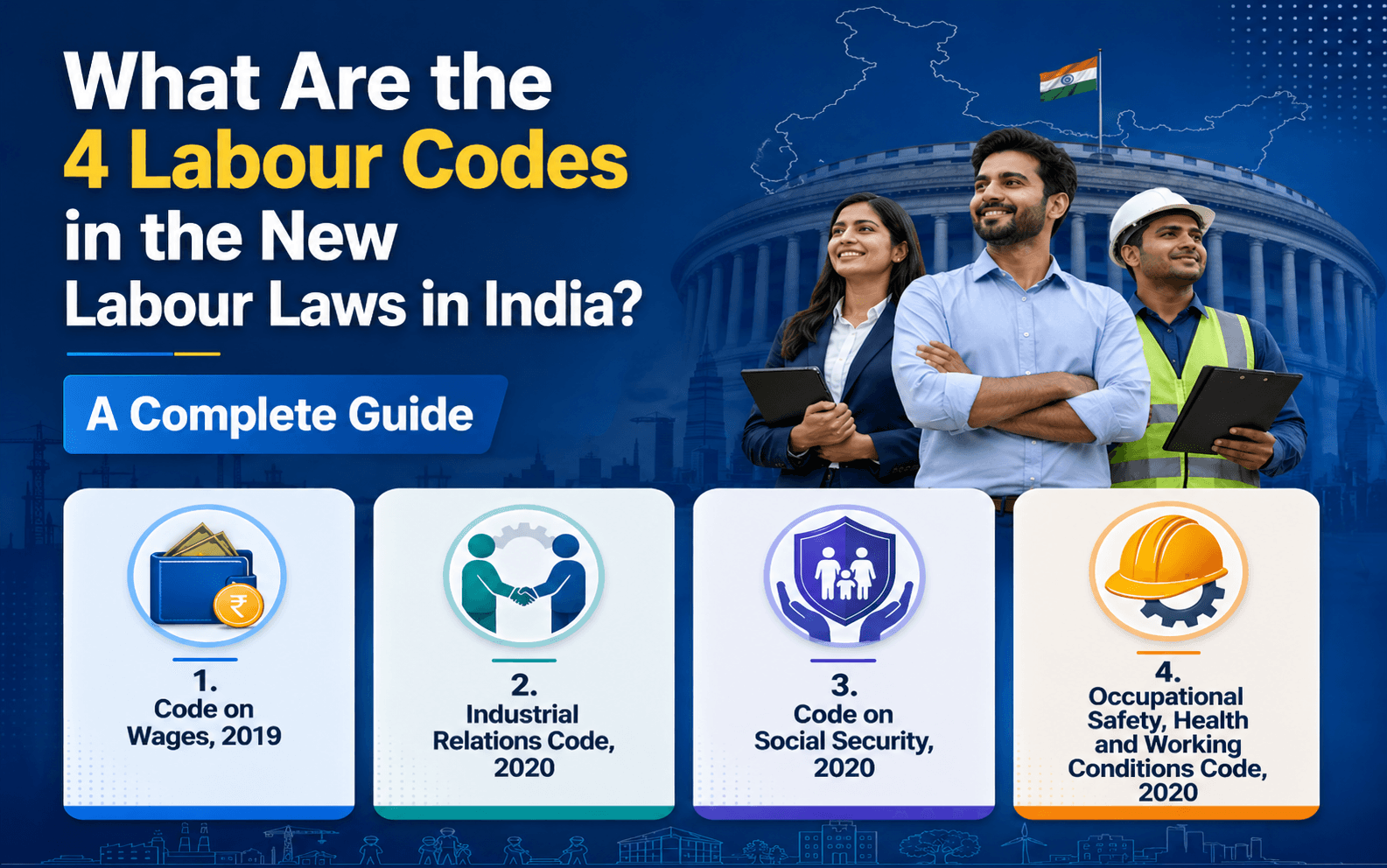
What Are the 4 Labour Codes in the New Labour Laws in India? A Complete Guide
Read More >

15 to 17 minutes
|
All
category
What Are the New External Workforce Trends in 2026?
Read More >